Reliability through experience



E-methanol
E-Methanol
E-methanol is produced by direct hydrogenation of CO2 with hydrogen. Renewable CO2 can be derived from fermentation processes in bioethanol plants, anaerobic digestor biogas plants, biomass boiler flue gas, or from the air through direct air capture (DAC). Purity and concentration of the CO2 in the respective gas stream has a significant impact on economics and will result in different CO2 capture Units (CCU) treatments and gas purification schemes.
Fermentation based CO2 or biogas derived CO2, are among the lowest-cost CO2 sources available for e-methanol, as it requires only purification rather than energy-intensive capture.
To trade E-Methanol at its highest value, it must be certifiable as a Renewable Fuel of Non-Biological Origin (RFNBO). For this, the Hydrogen used, must come from renewable electricity according to the criteria set under RED III.
Renewable Hydrogen can be supplied from commercially proven technologies, including alkaline, PEM and solid oxide electrolysis, with technology selection depending on project-specific process integration and operating requirements.
Because renewable electricity is a key input, this process falls under the Power to Liquid (PtL) route.
The process for E-Methanol production generally includes:
- CO2 recovery/capture
- Hydrogen supply or H2 generation, purification and compression, and buffer storage
- Methanol synthesis loop
- Methanol distillation
- Storage and loading
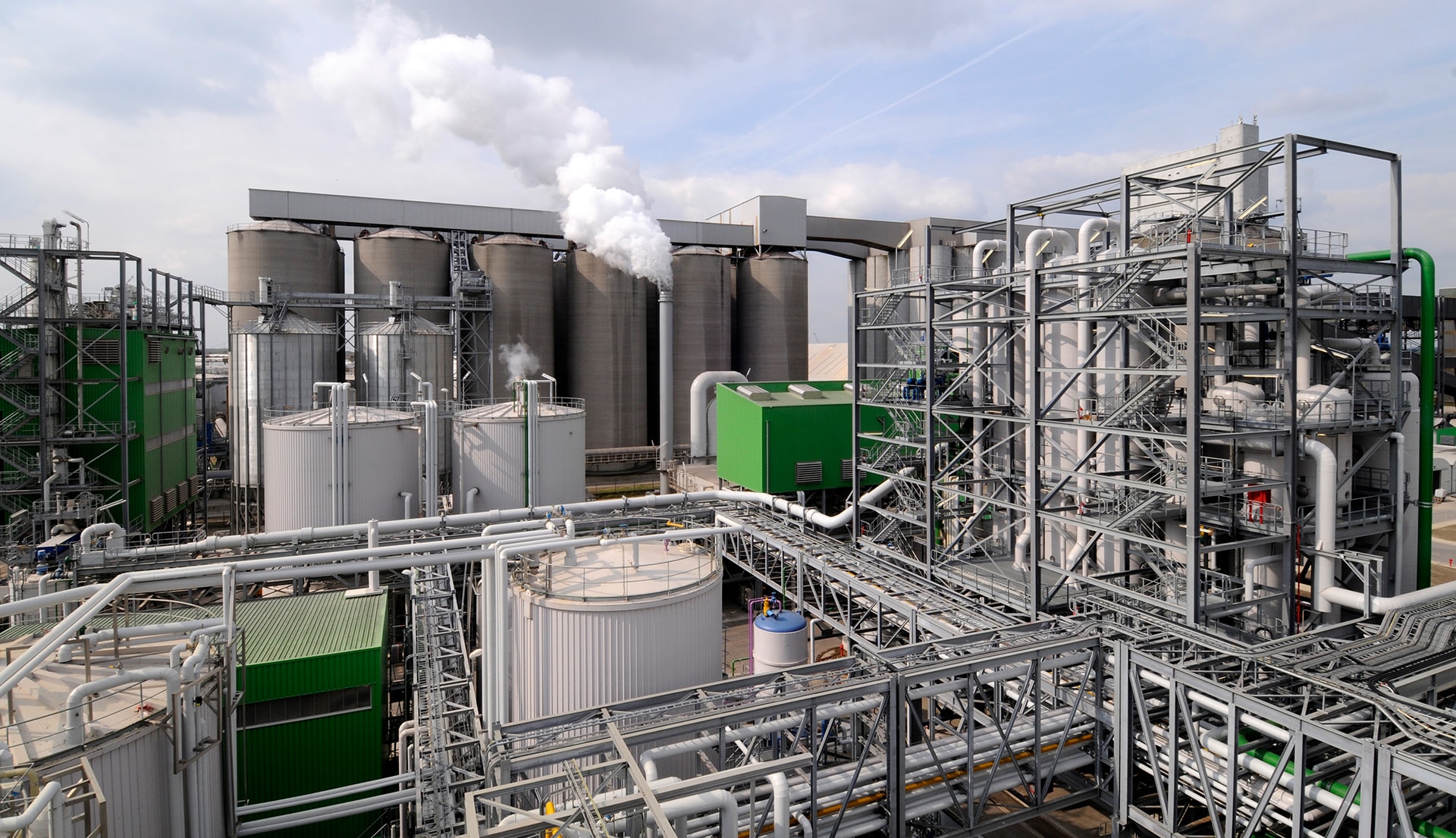
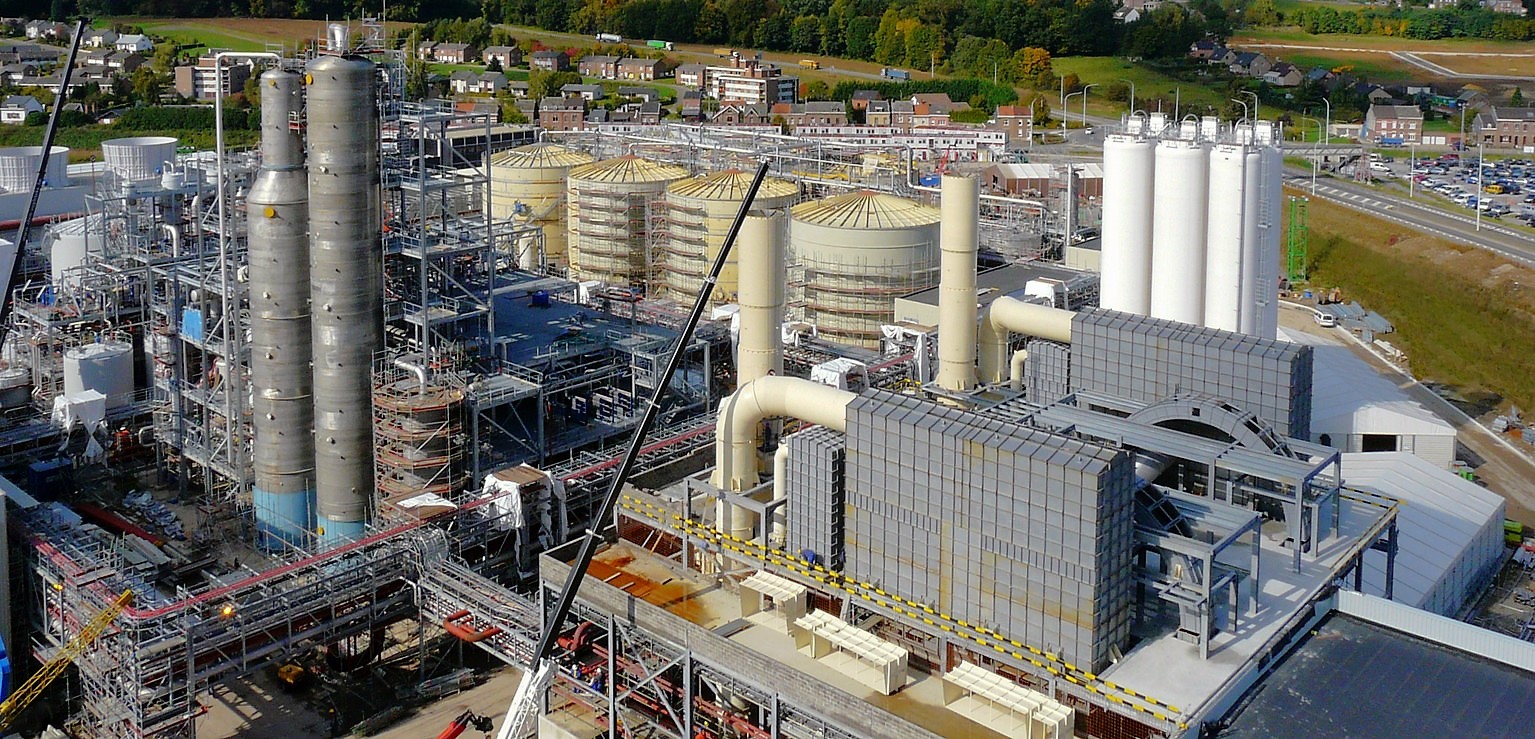
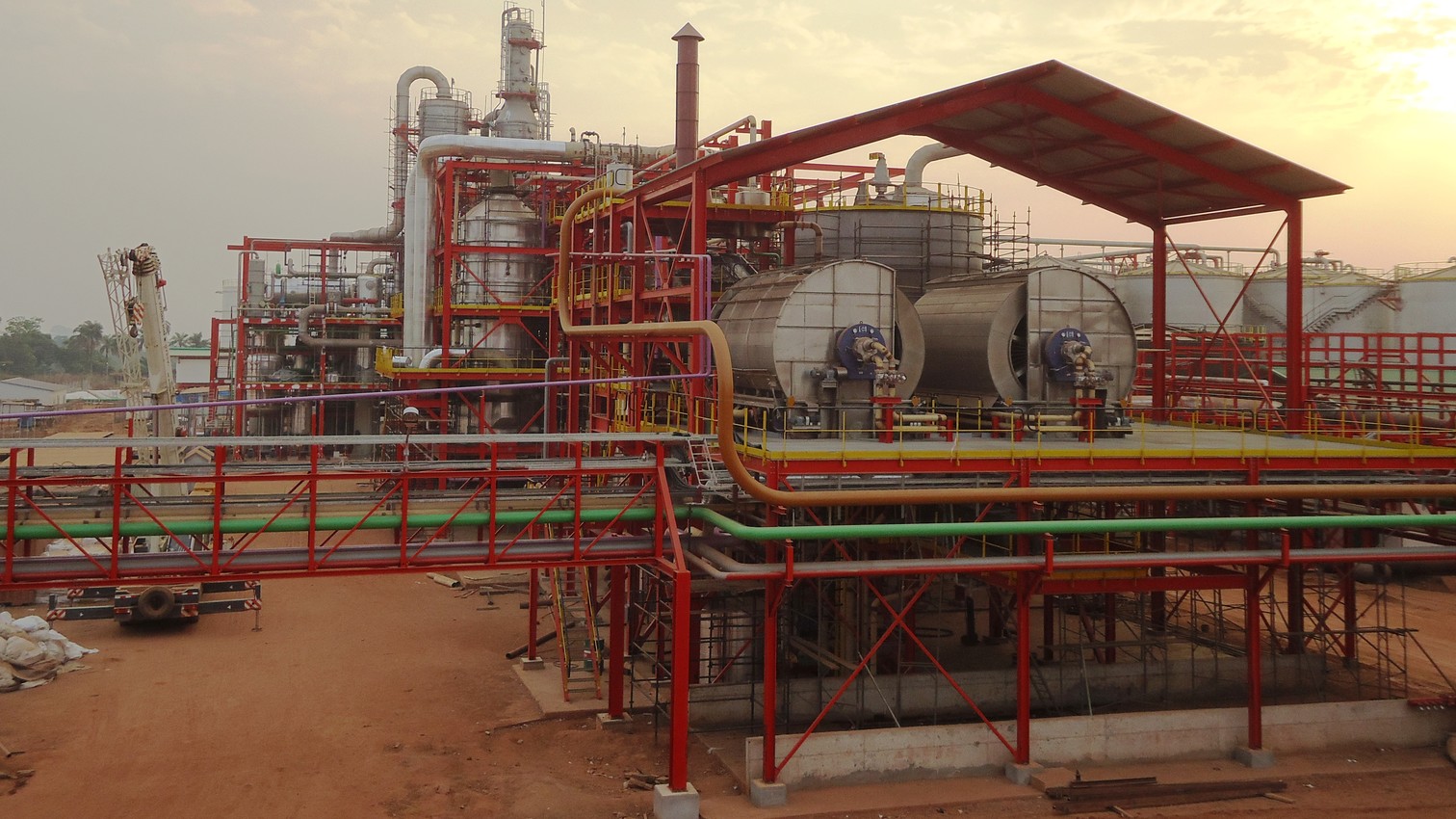
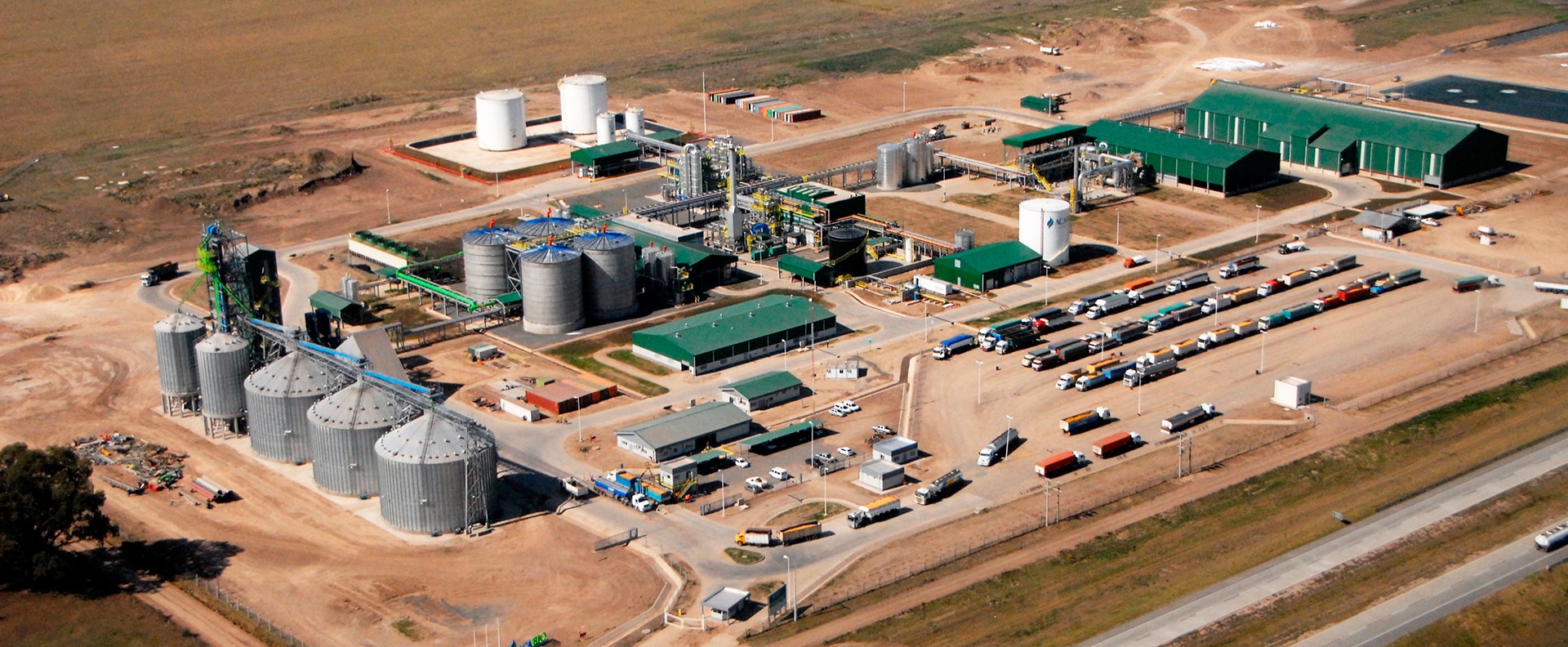
DSEC has designed and built Bio-Ethanol plants for decades, including CO2 scrubbing and CO2 recovery units, waste water treatment, heat recovery and integration, alcohol distillation and storage. Through various biofuels and biochemical projects, we have integrated hydrogen generation and compression equipment. This makes DSEC in strong position to develop e-methanol projects integrated into existing fermentation or biogas sites, using their CO2, utilities and infrastructure.