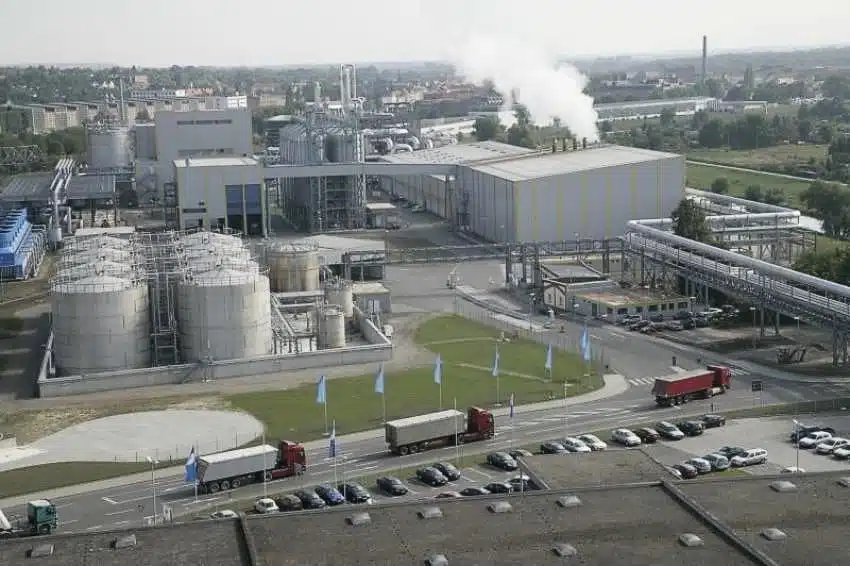
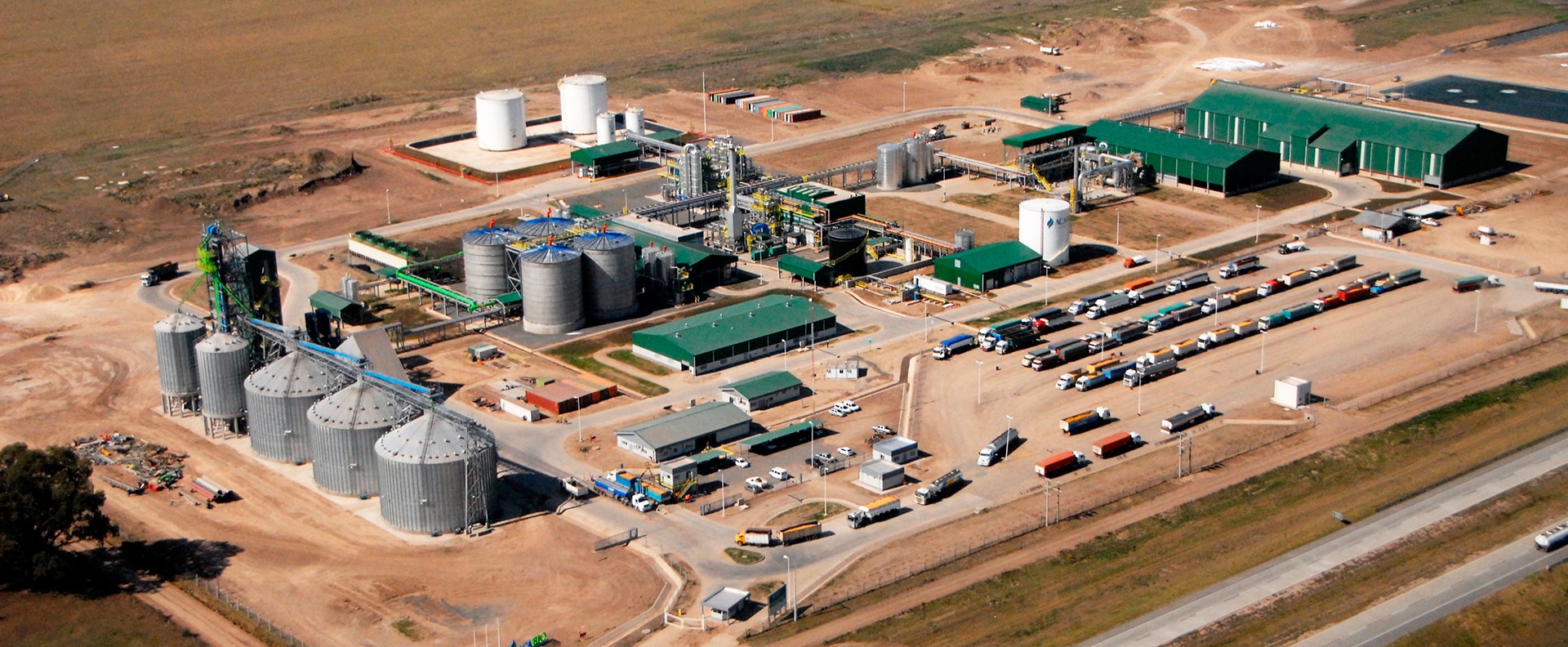
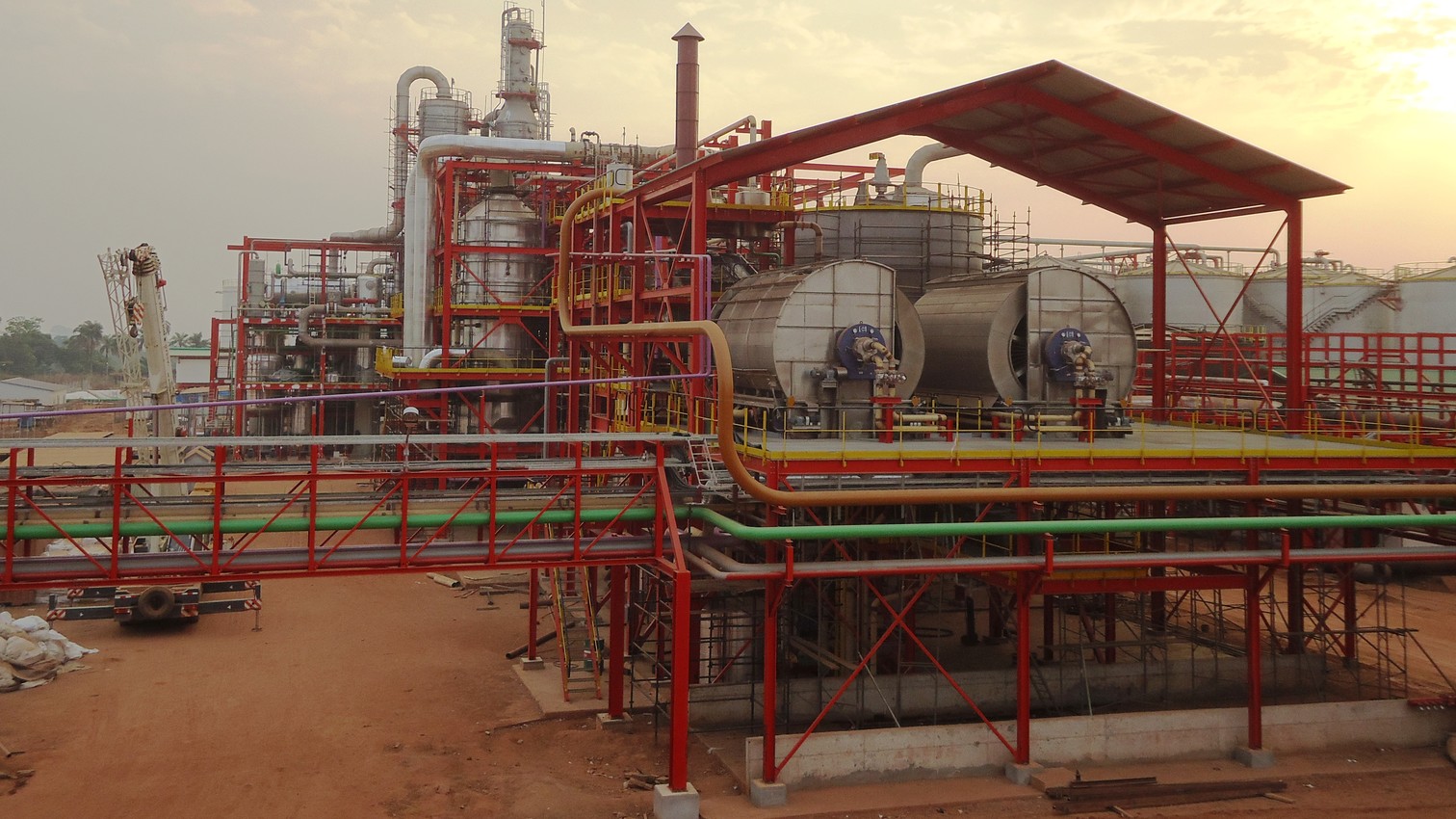
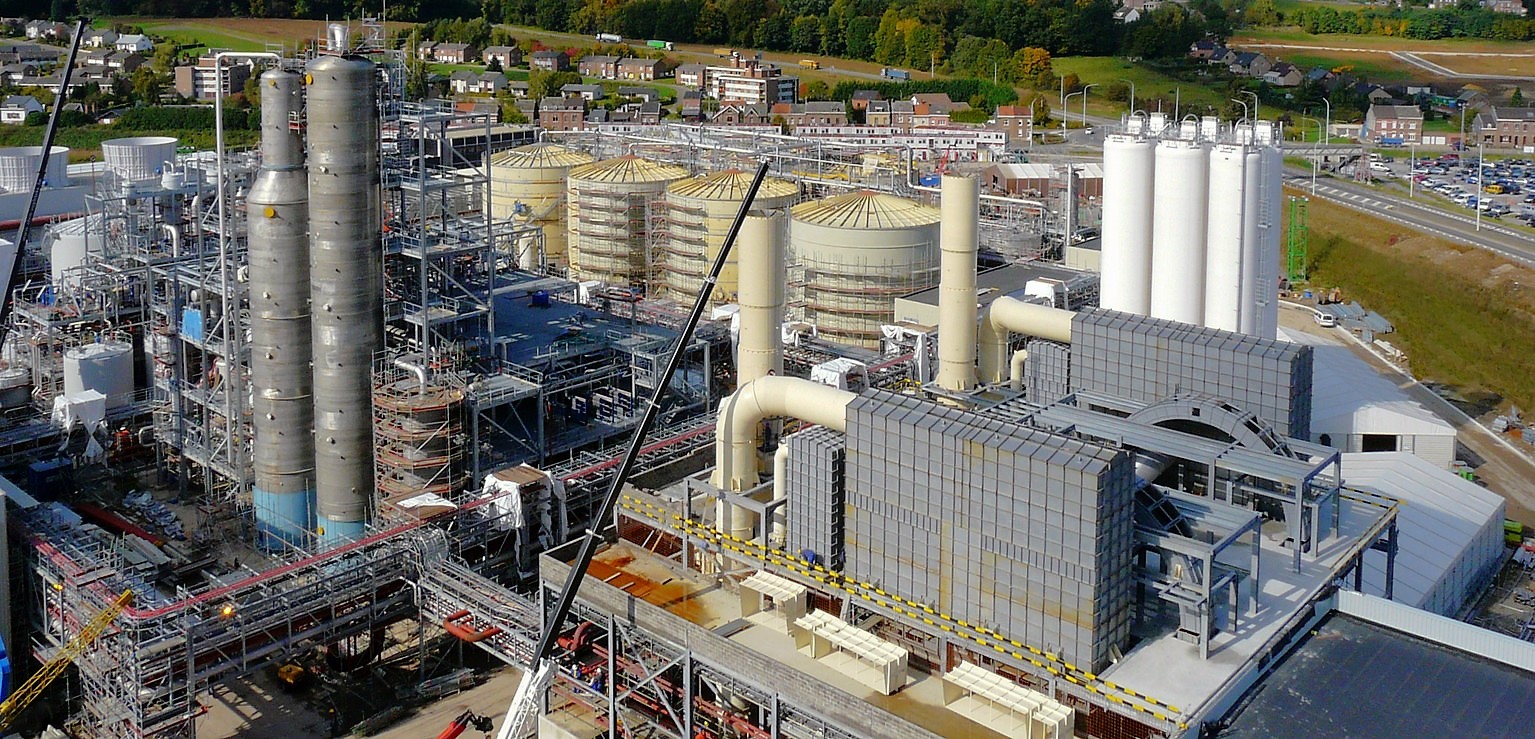
Reliability through experience



Ethanol-to-Jet
Ethanol-to-Jet
Ethanol-to-Jet, also called Alcohol-to-Jet (AtJ), converts ethanol into jet-range paraffins through a sequence of catalytic steps. The resulting fuel is certified as ATJ-SPK under ASTM D7566 Annex A5.
For compliance with ReFuelEU Aviation, the ethanol must come from eligible feedstocks, such as agricultural and forestry residues (2G ethanol) or other waste streams listed in RED III Annex IX. Ethanol from food and feed crops can be used for markets outside the EU scope. The carbon intensity of the final SAF depends largely on the ethanol source and on how the conversion plant is integrated with the ethanol plant. High ethanol conversion efficiency and ethanol purity are key to the economics.
The process for Ethanol-to-Jet production generally includes:
- Ethanol reception, storage and purification
- Catalytic dehydration of ethanol to ethylene
- Ethylene purification, drying and compression
- Oligomerisation to jet-range olefins
- Hydrogenation to paraffins
- Fractionation into SAF, renewable diesel and naphtha
- Hydrogen supply
- Storage and loading
Co-locating an Ethanol-to-Jet unit with an existing ethanol plant brings several advantages. Ethanol is supplied directly without transport or denaturing. Utilities and heat can be shared. The fermentation CO2 can in parallel be used for e-methanol or e-SAF production.
DSEC has designed, engineered and built 1G and 2G bioethanol plants for decades. DSEC is also executing catalytic upgrading of bioethanol, including dehydrogenation, hydrogenation, distillation and dehydration steps. This allows DSEC to provide critical expertise upstream and around the licensed conversion technology.